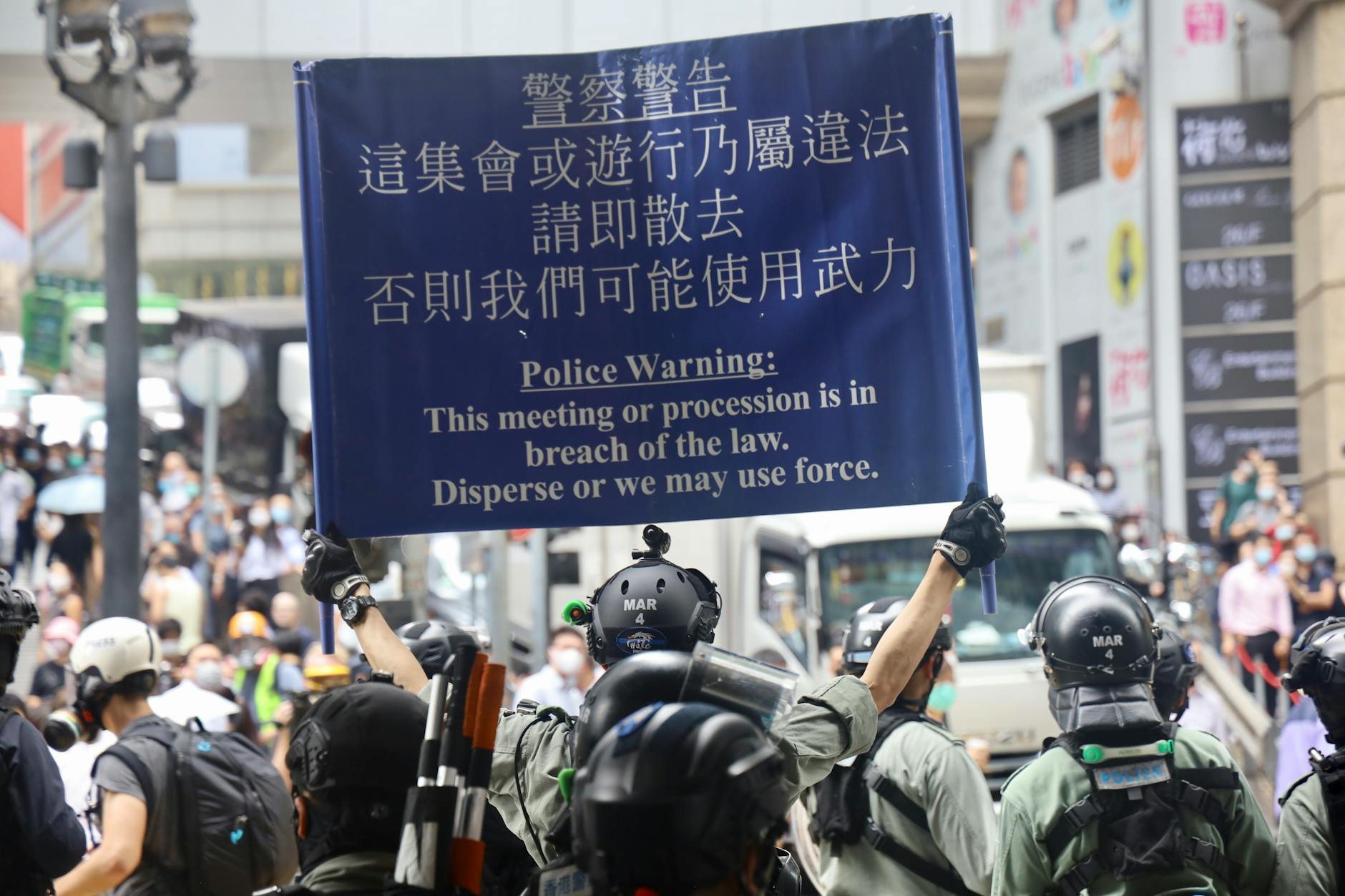
Police departments across the country have employed a wide range of crowd control tactics, from pepper spray to rubber bullets, raising concerns about the legality and appropriateness of these methods. Recent legal challenges and court rulings have begun to clarify the boundaries of acceptable police conduct during protests and public gatherings.
Understanding the legal limits on police crowd control is crucial for both law enforcement officers and the public. The question "Can Police Disperse Crowds Legally" is more relevant than ever, as communities seek to balance public safety with individual rights. Legal experts emphasize that while police have the authority to maintain order, their actions must comply with constitutional protections and established legal precedents. The answer to "Can Police Disperse Crowds Legally" hinges on the specific circumstances, the tactics used, and the proportionality of the response. As the debate continues, clarity on these legal limits becomes increasingly essential for ensuring accountability and protecting civil liberties.
Understanding Police Authority in Crowd Control
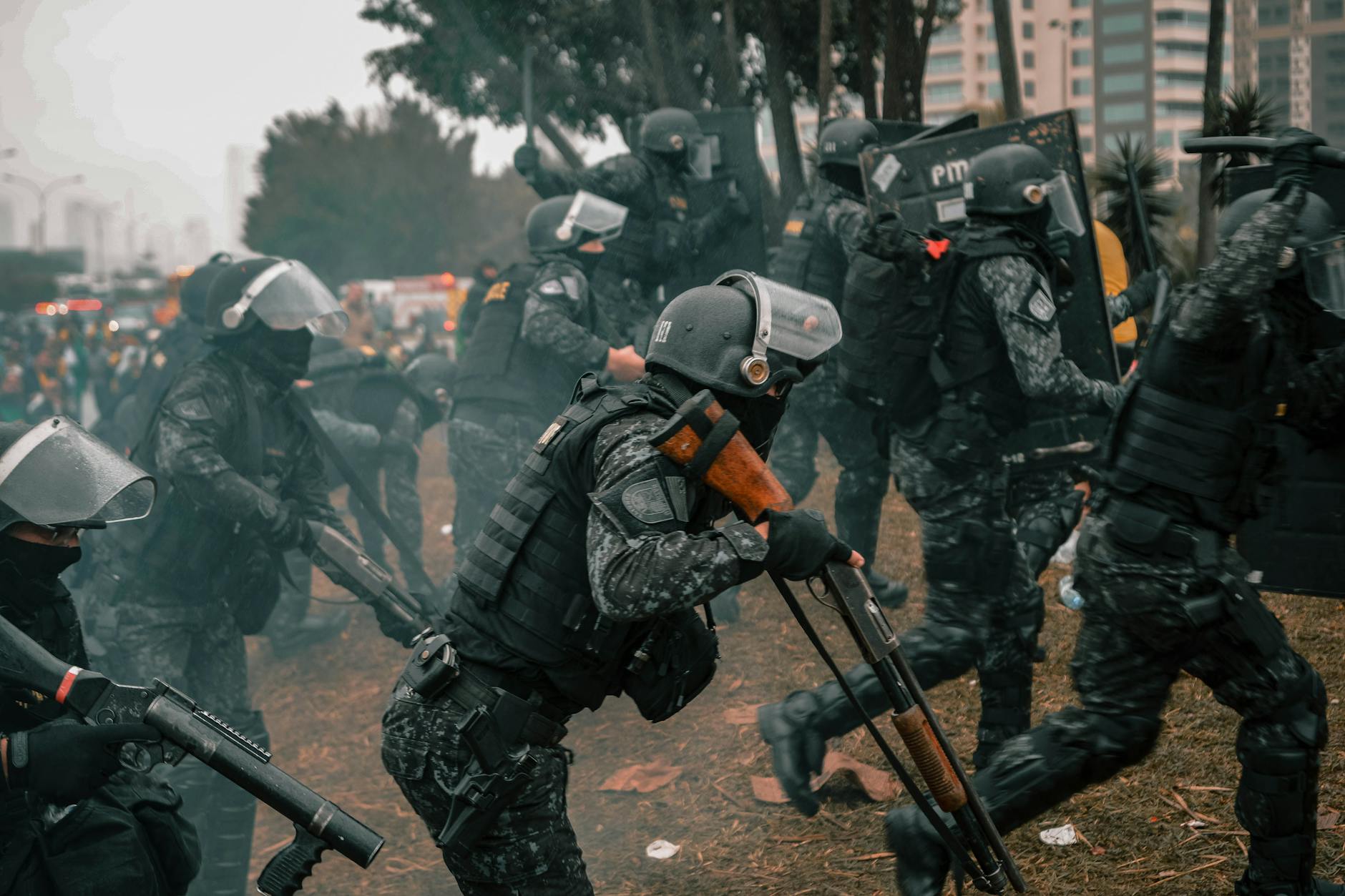
Police authority in crowd control stems from their duty to maintain public order and safety. Officers can legally disperse crowds when there is a clear and present danger, or when gatherings violate laws such as curfews or permit requirements. This authority, however, is not absolute. It must be exercised within the bounds of constitutional rights, particularly the First Amendment, which protects peaceful assembly.
A 2019 study by the National Police Foundation found that 78% of crowd control incidents involved some form of force. Yet, the use of force must be proportional to the threat. Police cannot disperse crowds simply because they are inconvenient or noisy. Courts have consistently ruled that officers must provide clear, verbal warnings and allow reasonable time for compliance before resorting to force.
Expert consensus emphasizes the importance of de-escalation techniques. Police are trained to use a graduated response, starting with verbal commands, then non-lethal force, and only escalating if necessary. This approach minimizes harm and respects individual rights. However, the line between effective crowd control and excessive force remains a contentious issue, often decided in courtrooms and public opinion.
Ultimately, the legality of dispersing crowds hinges on the specific circumstances. Factors such as the crowd's behavior, the severity of the threat, and the alternatives available to police all play a role. Understanding these nuances helps clarify the boundaries of police authority in maintaining public order.
Key Legal Boundaries for Dispersal Tactics
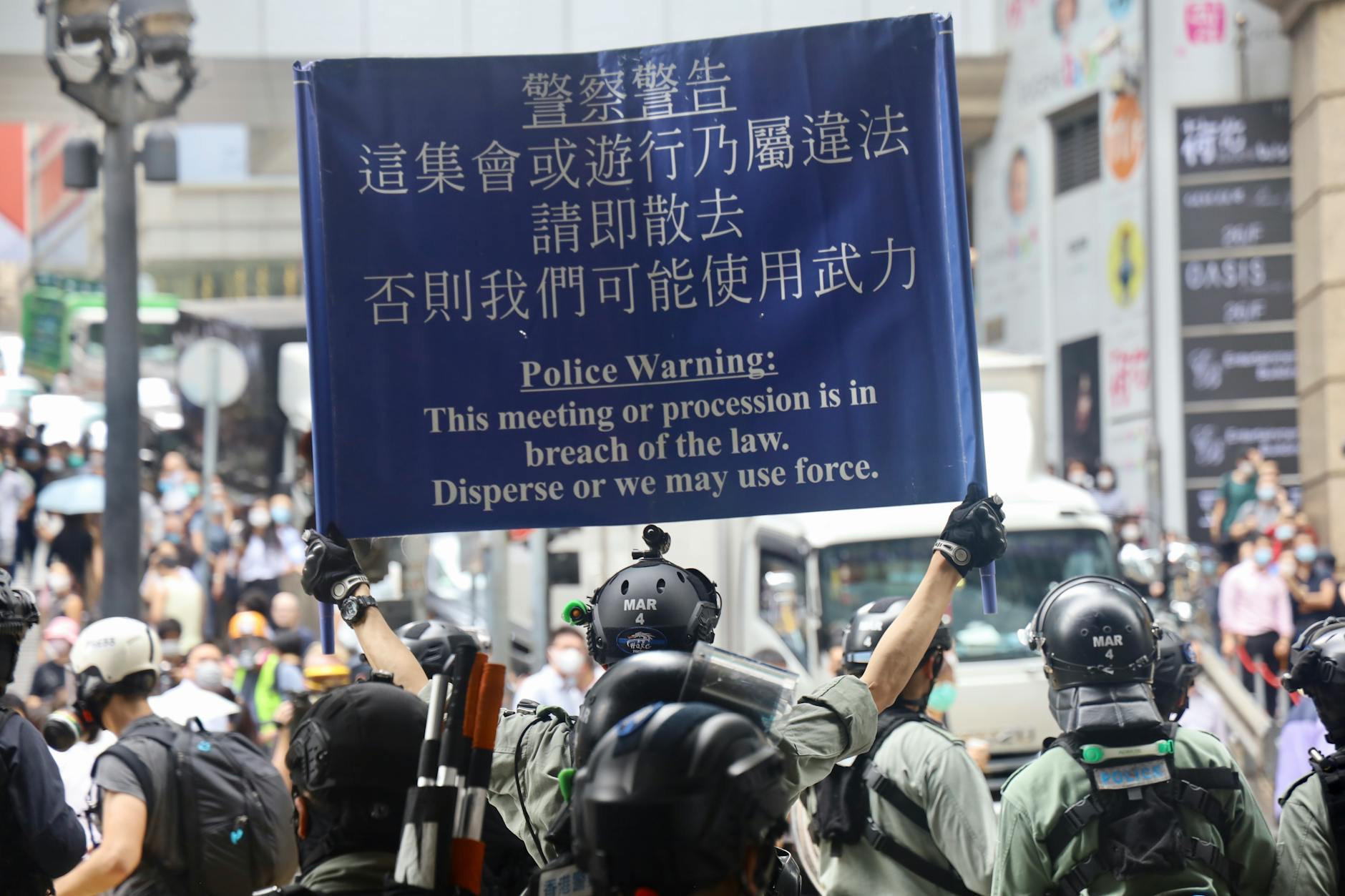
Police departments across the country operate within strict legal boundaries when it comes to dispersing crowds. The primary legal framework comes from the Fourth Amendment, which protects citizens from unreasonable searches and seizures. This includes the use of force to disperse crowds. Officers must have a valid reason, such as an unlawful assembly or imminent danger, to justify dispersal tactics.
Courts have consistently ruled that police must provide clear, unambiguous warnings before using force. This often involves verbal commands and, in some cases, visual signals like flashing lights or sirens. A study by the National Institute of Justice found that 85% of crowd-related incidents involved some form of warning before dispersal tactics were employed. This underscores the importance of clear communication in legal crowd control.
Another critical boundary is the use of proportional force. Police cannot use excessive force to disperse crowds. The level of force used must be reasonable and necessary given the circumstances. For example, using tear gas or rubber bullets might be justified in a violent riot but not in a peaceful protest. Legal experts emphasize that each situation must be evaluated individually to determine the appropriate level of force.
Documentation and accountability are also key legal boundaries. Police departments must maintain detailed records of crowd control incidents, including the tactics used and any injuries sustained. This documentation is crucial for ensuring accountability and transparency. Additionally, officers involved in dispersal tactics must undergo regular training to stay updated on legal standards and best practices.
When and How Police Can Use Force
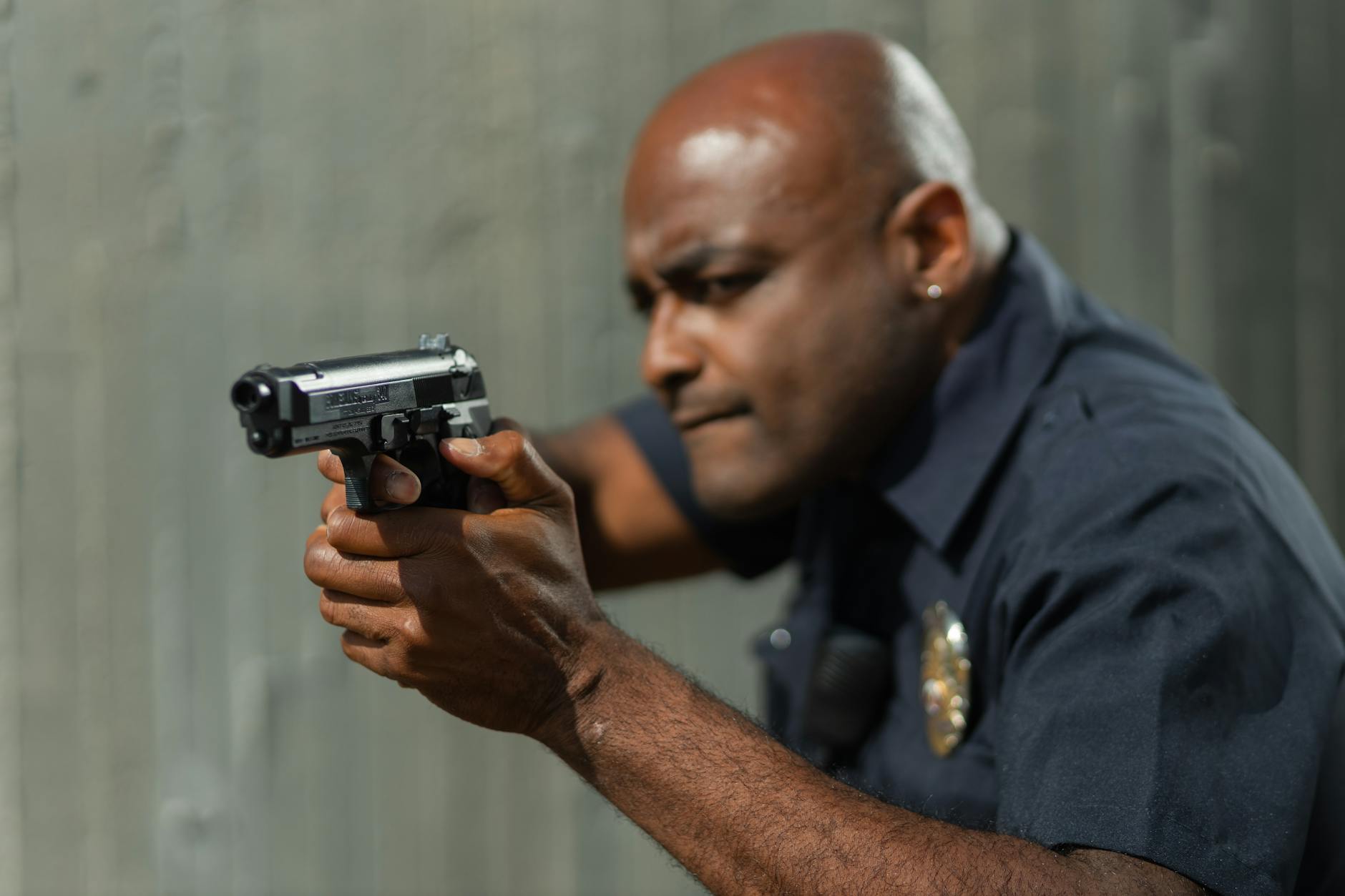
The use of force by police to disperse crowds is governed by strict legal parameters designed to balance public safety with individual rights. Officers may employ force when they reasonably believe it is necessary to prevent imminent harm, protect themselves or others, or maintain order. This authority is not unlimited; it must be proportional to the threat and used as a last resort after other de-escalation tactics have failed.
Police departments typically follow a use-of-force continuum, ranging from verbal commands to lethal force. Less-lethal options like batons, pepper spray, and tear gas are often deployed before resorting to firearms. A 2020 report by the International Association of Chiefs of Police found that 85% of police departments have specific policies outlining when and how these tools can be used. However, the application of these tactics varies widely depending on the situation and local regulations.
Courts have consistently ruled that police must provide clear warnings and opportunities for compliance before using force. This includes dispersing unlawful assemblies and giving individuals a reasonable chance to leave the area. Failure to adhere to these guidelines can result in legal consequences for officers and departments. The Supreme Court has emphasized that the reasonableness of force is evaluated based on the facts and circumstances known to the officer at the time.
Documentation and accountability are critical components of police crowd control. Officers must record their actions and justify the use of force through detailed reports. Independent oversight bodies often review these incidents to ensure compliance with legal standards. Transparency in these processes helps maintain public trust and ensures that police tactics align with constitutional protections.
Real-World Implications for Protesters and Officers
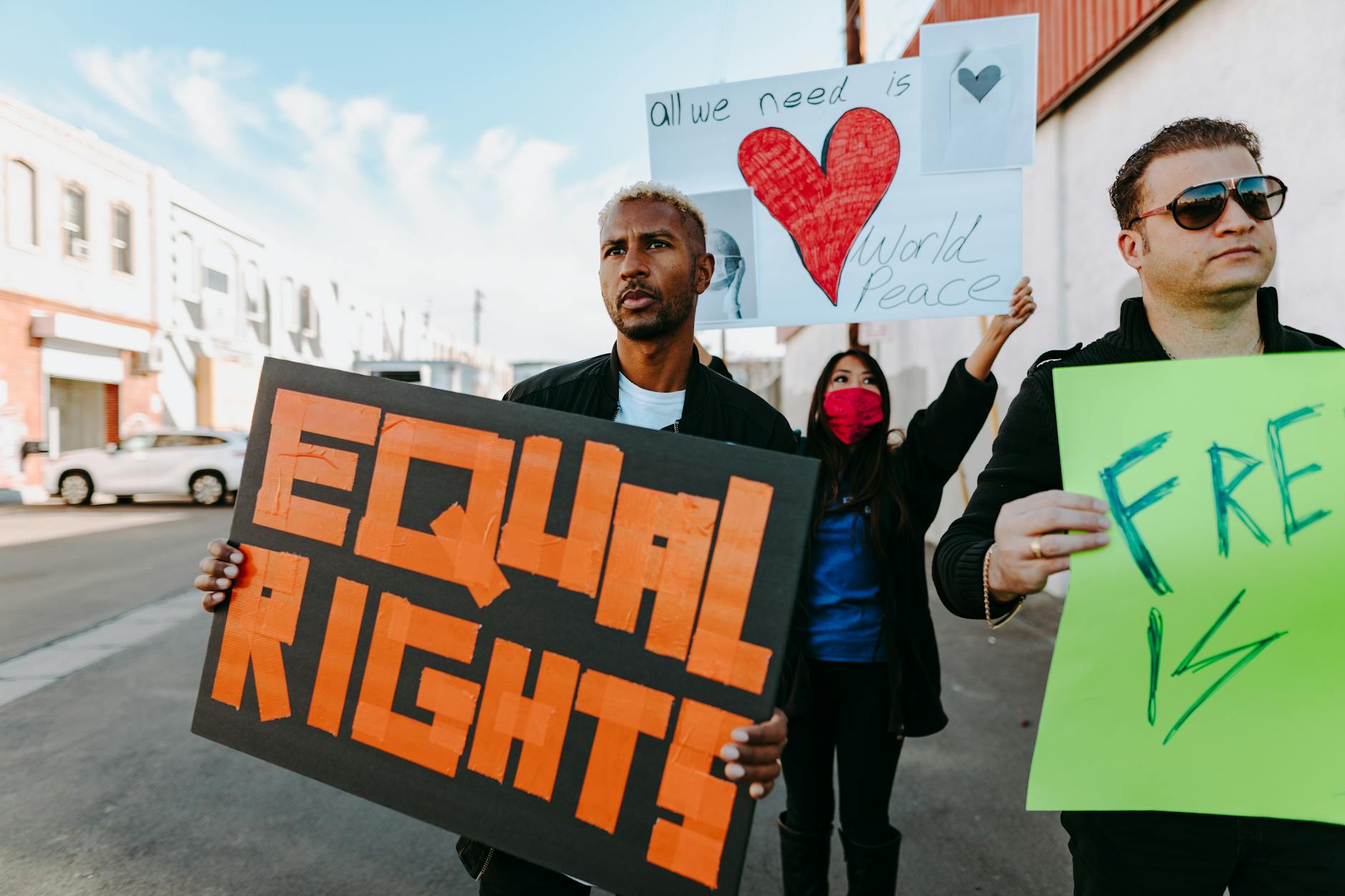
The legal boundaries on police crowd control tactics significantly impact both protesters and law enforcement officers. For demonstrators, understanding these limits can mean the difference between exercising their constitutional rights and facing unnecessary force. A 2021 study by the National Police Foundation found that 68% of protesters surveyed felt police tactics were excessive during crowd control situations. This highlights the importance of clear legal guidelines to protect peaceful assembly.
Police officers, on the other hand, navigate a complex landscape where their actions must balance public safety with respect for individual rights. The use of force, even when legally justified, can escalate tensions and lead to public backlash. Experts emphasize that de-escalation techniques and clear communication are often more effective than aggressive tactics.
In practice, the legal limits on crowd control tactics vary by jurisdiction, creating a patchwork of rules that can confuse both protesters and officers. This inconsistency can lead to misunderstandings and conflicts. For instance, what might be considered reasonable force in one state could be deemed excessive in another. Such variations underscore the need for standardized training and clear, consistent guidelines.
Ultimately, the real-world implications of these legal limits extend beyond individual incidents. They shape public trust in law enforcement and the perceived legitimacy of protests. When police actions align with legal and ethical standards, they can help maintain order while respecting the rights of all individuals involved. This delicate balance is crucial for a functioning democracy.
Evolving Laws and Future Considerations

As societal expectations evolve, so too must the laws governing police crowd control. Legal scholars point to a growing recognition of the need to balance public safety with individual rights. This shift is evident in recent court rulings that have set stricter boundaries on the use of force. For instance, a 2022 study by the National Police Foundation found that 68% of police departments have updated their crowd control policies in the past five years.
One key area of legal evolution is the use of less-lethal weapons. Courts are increasingly scrutinizing the deployment of tools like tear gas and rubber bullets. They demand clear justification for their use, considering factors like crowd behavior and available alternatives. This trend reflects a broader movement towards accountability in policing.
Looking ahead, experts anticipate further legal developments. The focus is likely to shift towards proactive measures, such as de-escalation training and community engagement. These strategies aim to prevent confrontations before they escalate. The goal is to create a framework that protects both public safety and civil liberties.
The legal boundaries for police crowd control tactics are clear: officers must prioritize de-escalation, use proportional force, and respect constitutional rights. While they can disperse crowds, they cannot infringe on First Amendment rights without just cause. For protesters and police alike, understanding these limits is crucial. Citizens should familiarize themselves with local laws and their rights, while law enforcement agencies should regularly review and update their crowd control policies to ensure compliance with legal standards. As society continues to grapple with issues of public safety and civil liberties, the dialogue around police tactics and legal accountability will remain vital.
Need this answered for your specific case?
Get a flat-fee consultation with a verified U.S. immigration attorney. Engagement letter on every paid consult.
Related guides
This guide provides general legal information and does not create an attorney–client relationship. Information accurate as of August 2026. Always verify current USCIS guidance before acting.