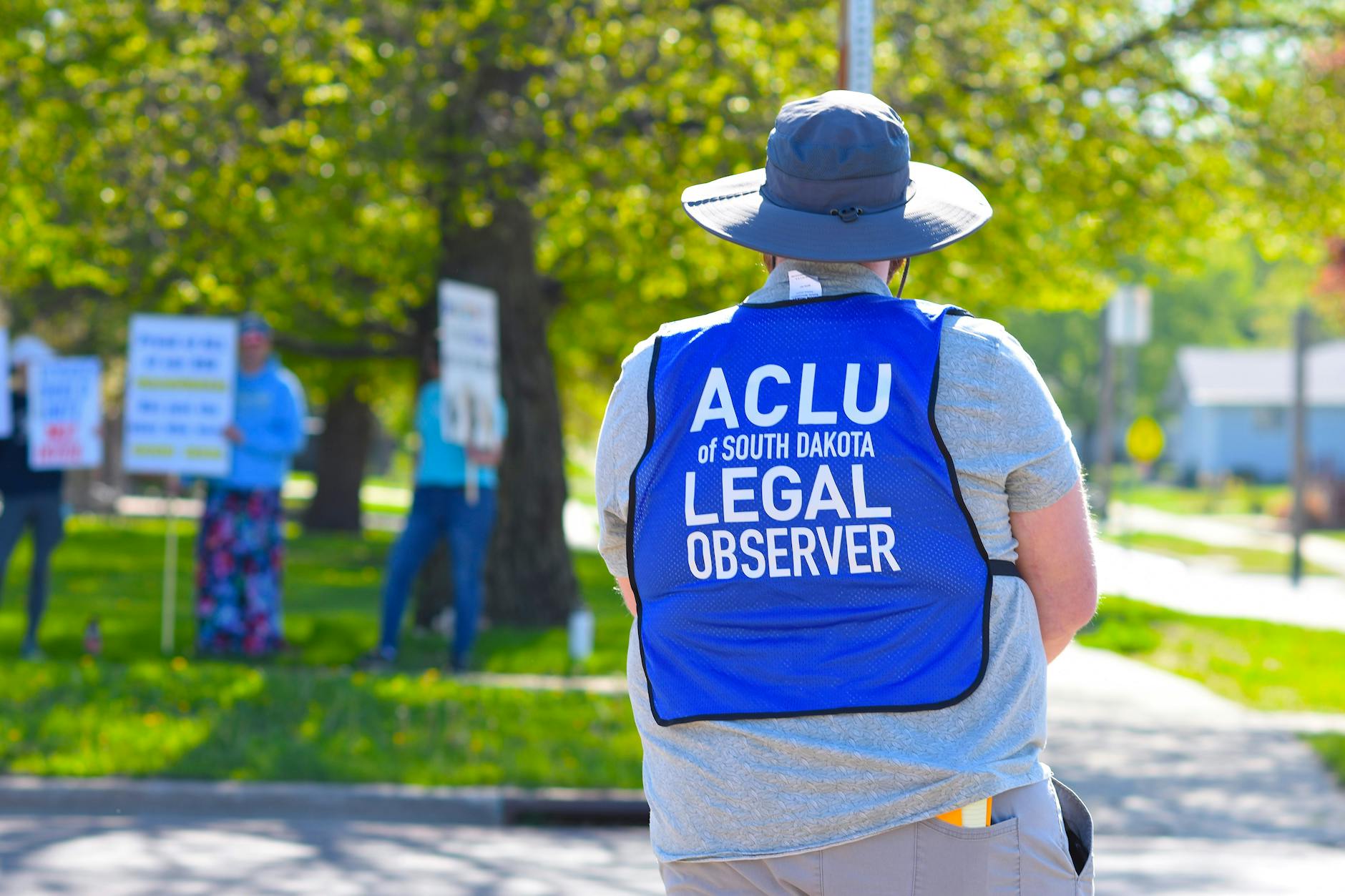
During the 2020 protests, over 11,300 people were arrested across the United States, according to data from the Arresting Gender project. Amid the chaos and tension, a group of trained volunteers known as legal observers played a crucial role in documenting events and protecting protesters' rights. These individuals, often wearing distinctive yellow vests, served as neutral witnesses, recording interactions between law enforcement and demonstrators. Their presence aimed to deter police misconduct and ensure accountability.
So, what is legal observer role? Legal observers act as impartial witnesses during protests, strikes, and other public demonstrations. Their primary responsibility is to document potential civil rights violations, police misconduct, or other abuses of power. By taking notes, photographs, and videos, they create an independent record of events. This evidence can be vital for protesters seeking legal recourse or for advocacy groups pushing for policy changes. Understanding what is legal observer role highlights the importance of these volunteers in safeguarding democratic principles and holding authorities accountable.
Understanding the Legal Observer Role
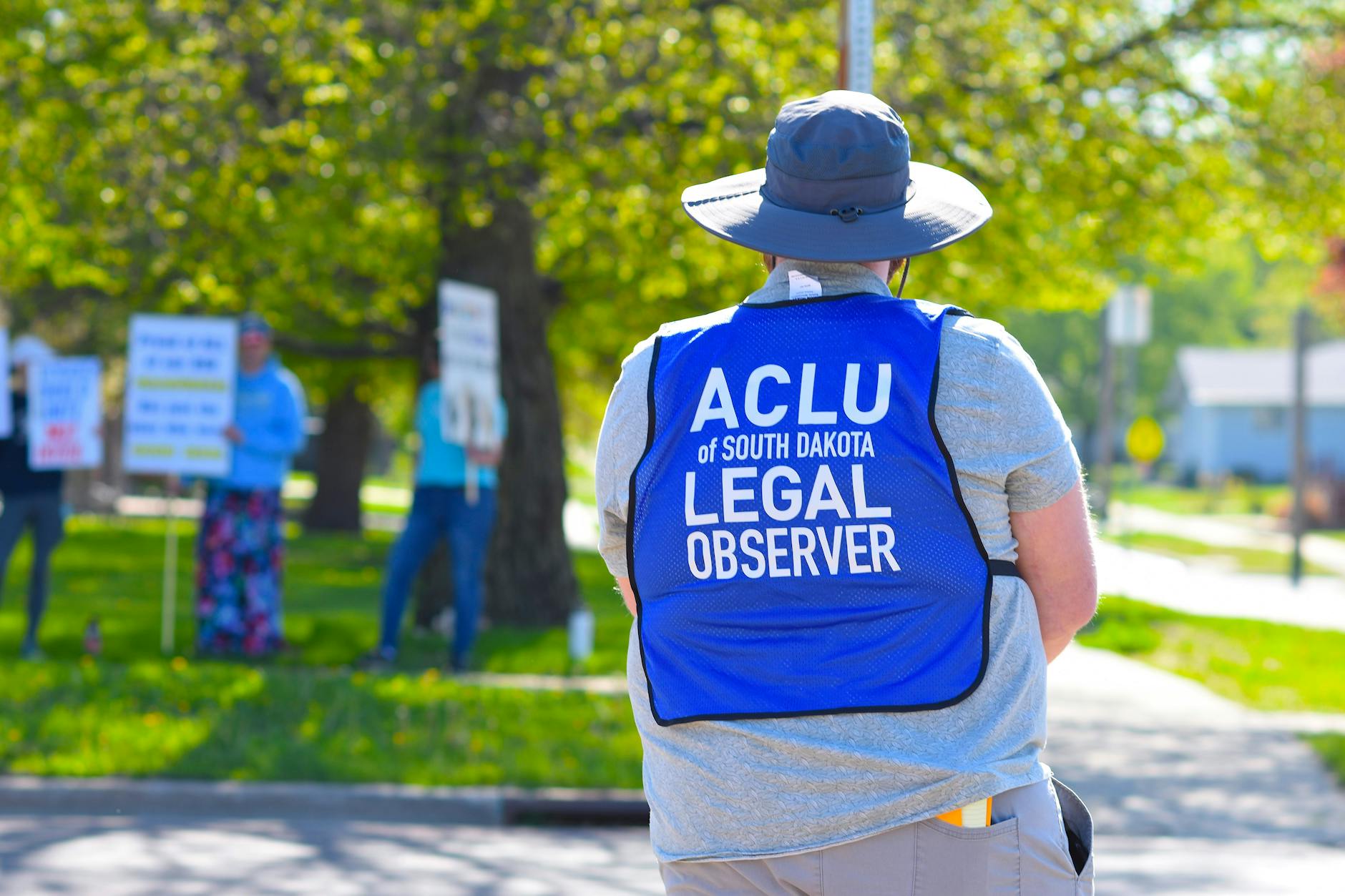
Legal observers serve as impartial witnesses during protests and demonstrations. Their primary role is to document interactions between law enforcement and protesters, ensuring accountability and transparency. These individuals, often affiliated with organizations like the National Lawyers Guild, wear distinctive clothing or vests to identify themselves clearly. Their presence aims to deter misconduct and provide a factual record of events.
A 2019 study by the American Civil Liberties Union found that legal observers significantly reduce the likelihood of police misconduct during protests. Their reports can be crucial in legal proceedings, providing evidence that might otherwise go unnoticed. Observers are trained to remain neutral, focusing solely on documenting facts without interference.
Observers undergo rigorous training to prepare for their role. This includes learning about constitutional rights, de-escalation techniques, and how to document incidents effectively. Their training emphasizes the importance of remaining calm and objective, even in tense situations. This preparation ensures they can provide accurate and reliable accounts of events.
During the 2020 protests, legal observers played a vital role in capturing instances of police brutality and civil rights violations. Their reports were instrumental in holding law enforcement accountable and supporting legal actions against misconduct. The presence of these observers underscores the importance of maintaining oversight during public demonstrations.
The Core Responsibilities of Legal Observers

Legal observers serve as the eyes and ears of the public during protests, documenting police activity and ensuring accountability. Their primary responsibility is to monitor law enforcement actions, recording incidents of potential misconduct or violations of protestors' rights. Observers typically work in teams, with each member focusing on specific aspects such as police movements, crowd behavior, or interactions between officers and protestors.
A study by the National Lawyers Guild found that the presence of legal observers can significantly reduce incidents of police misconduct during protests. Observers are trained to remain neutral and impartial, acting as witnesses rather than participants. They often wear distinctive clothing or vests to make their role clear to both police and protestors.
Documentation is a critical aspect of the legal observer role. Observers use various tools, including cameras, notebooks, and smartphones, to record events as they unfold. They also note the time, location, and descriptions of any incidents they witness. This information can later be used in legal proceedings or to advocate for policy changes.
In addition to monitoring and documenting, legal observers also provide a calming presence during protests. Their visible presence can deter potential conflicts and serve as a reminder to law enforcement of their obligation to uphold the rights of protestors. Observers are trained to de-escalate tense situations and to provide support to protestors who may need legal assistance.
How Legal Observers Operate on the Ground
Legal observers operate as the eyes and ears of the legal community during protests, documenting police conduct and ensuring protesters' rights are protected. They work in plain clothes, easily identifiable by their bright vests or hats, and carry notebooks or cameras to record incidents. Their presence serves as a deterrent to potential police misconduct, as officers are more likely to adhere to protocols when they know their actions are being monitored.
These observers follow a strict code of conduct, remaining neutral and non-participatory in the protests. They do not engage in conversations with protesters or police, focusing solely on documenting events. Their reports are crucial for legal defense teams, providing evidence that can be used in court cases or to file complaints against police misconduct.
According to the National Lawyers Guild, legal observers documented over 1,000 incidents of police misconduct during the 2020 protests. Their reports have been instrumental in holding law enforcement accountable and ensuring protesters' rights are upheld. Legal observers also provide a sense of security to protesters, knowing that their actions are being monitored and recorded.
Training for legal observers involves learning about constitutional rights, protest laws, and documentation techniques. They are trained to identify and document specific types of police misconduct, such as excessive force, unlawful arrests, and violations of protesters' rights. This training ensures that their reports are accurate and useful for legal proceedings.
Challenges Faced by Legal Observers
Legal observers faced significant challenges during the 2020 protests, with safety emerging as a primary concern. Many observers reported being targeted by law enforcement or counter-protesters, making their work increasingly perilous. A 2020 report from the National Lawyers Guild revealed that 13% of legal observers experienced some form of interference or intimidation while documenting protests. These incidents underscored the risks inherent in their role, as observers often found themselves caught between demonstrators and authorities.
Documenting events accurately posed another substantial challenge. The fast-paced and chaotic nature of protests made it difficult for observers to record every detail comprehensively. Legal experts emphasize that incomplete documentation can weaken legal cases, highlighting the need for thorough and precise reporting. Observers had to balance speed with accuracy, ensuring their notes and recordings were both timely and reliable.
Logistical hurdles also complicated their efforts. Travel restrictions and sudden protest locations required observers to adapt quickly, often without adequate preparation. Coordinating with local legal teams and protesters added another layer of complexity. Despite these obstacles, legal observers remained committed to their mission, demonstrating resilience in the face of adversity.
The Evolving Role of Legal Observers
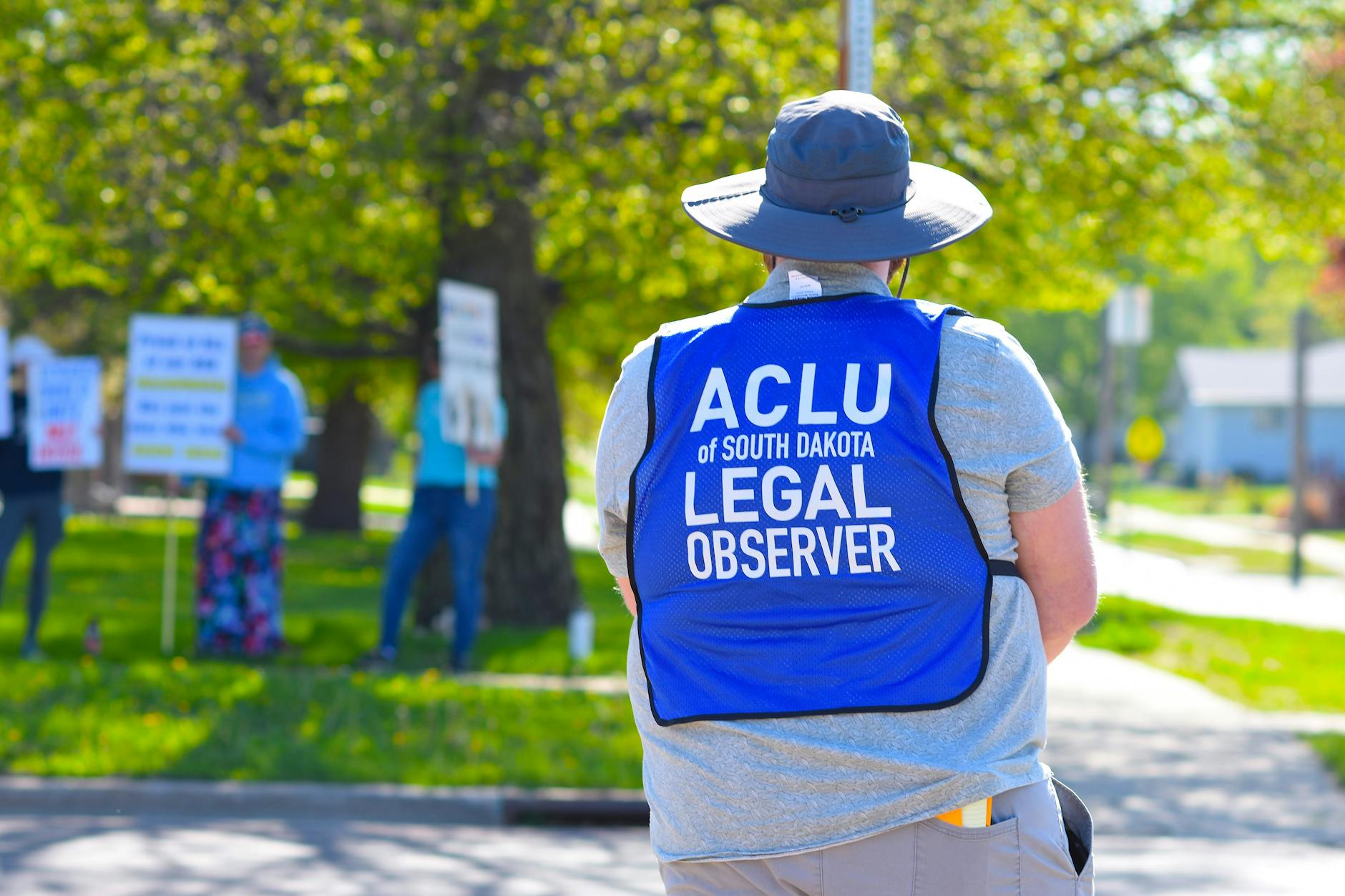
Legal observers serve as impartial witnesses during protests, documenting police conduct and ensuring accountability. Their role has evolved significantly over time, adapting to the changing landscape of civil unrest and public demonstrations. Originally, these observers primarily focused on monitoring police actions to prevent potential abuses of power. Today, their responsibilities have expanded to include providing real-time updates, gathering evidence for legal cases, and offering support to protesters.
One key aspect of a legal observer's role is maintaining neutrality. They do not participate in protests but remain on the sidelines, recording events with cameras and notepads. This impartiality is crucial for their credibility and the admissibility of their documentation in legal proceedings. According to a report by the National Lawyers Guild, legal observers have played a pivotal role in numerous high-profile cases, providing evidence that has led to significant legal outcomes.
Legal observers also play a critical role in de-escalating tensions. Their presence can deter police misconduct and provide a sense of security to protesters. By documenting interactions, they create a record that can be used to challenge unlawful actions. This evolving role underscores the importance of legal observers in upholding democratic principles and ensuring that protests remain peaceful and lawful.
Legal observers served as a vital bridge between protesters and law enforcement during the 2020 protests, ensuring accountability and protecting civil rights. Their presence helped document potential misconduct and provided a calming influence in tense situations. For those interested in supporting peaceful protests, volunteering as a legal observer offers a meaningful way to contribute. As activism continues to evolve, the role of legal observers will remain crucial in upholding democratic principles and safeguarding the rights of all individuals.
Need this answered for your specific case?
Get a flat-fee consultation with a verified U.S. immigration attorney. Engagement letter on every paid consult.
Related guides
This guide provides general legal information and does not create an attorney–client relationship. Information accurate as of August 2026. Always verify current USCIS guidance before acting.